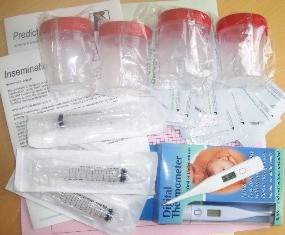
Introduction Home insemination is an IVF treatment alternative that many couples are still unaware of, and performing artificial insemination yourself in the comfort of your own home is an easier and much cheaper alternative than IVF treatment.
Many couples encounter difficulties getting pregnant due to fertility problems. However, few people are completely infertile, and most couples who need help to make a baby are described as subfertile. This means that one part of their reproductive system may not be working correctly, however IVF treatment is not the only alternative.
Artificial insemination (AI) is a means of helping couples to have children if they are unable to conceive through sexual intercourse. Artificial insemination refers to a range of techniques in which the man's sperm is put into the woman's genital tract artificially. Sperm may be placed in the neck of the womb (cervix), known as intracervical insemination, or at the base of the cervix, known as intravaginal insemination or inside the womb itself, known as intrauterine insemination (IUI). Intravaginal insemination is the method that can be performed at home and the IVF treatment I will be discussing further.
If there is a problem with the male partner's sperm, then sperm from a donor may be used. Donor insemination (DI) may also useful for single women and lesbian couples.
This website offers the products and advice to help with home insemination - the alternative to IVF treatment.
Is home insemination an option for you
Artificial insemination is carried out when the woman is most likely to ovulate. Ovulation is when an egg is released during the menstrual cycle. This is your most fertile time of the month. It usually occurs 14 days before the start of your period and is easier to detect if your periods are regular.
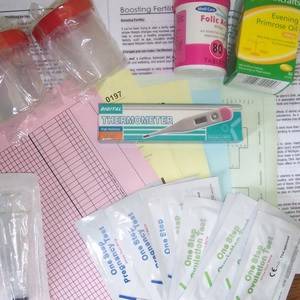
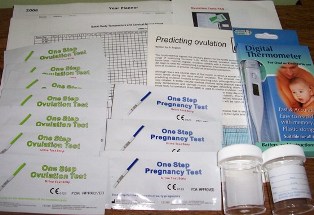
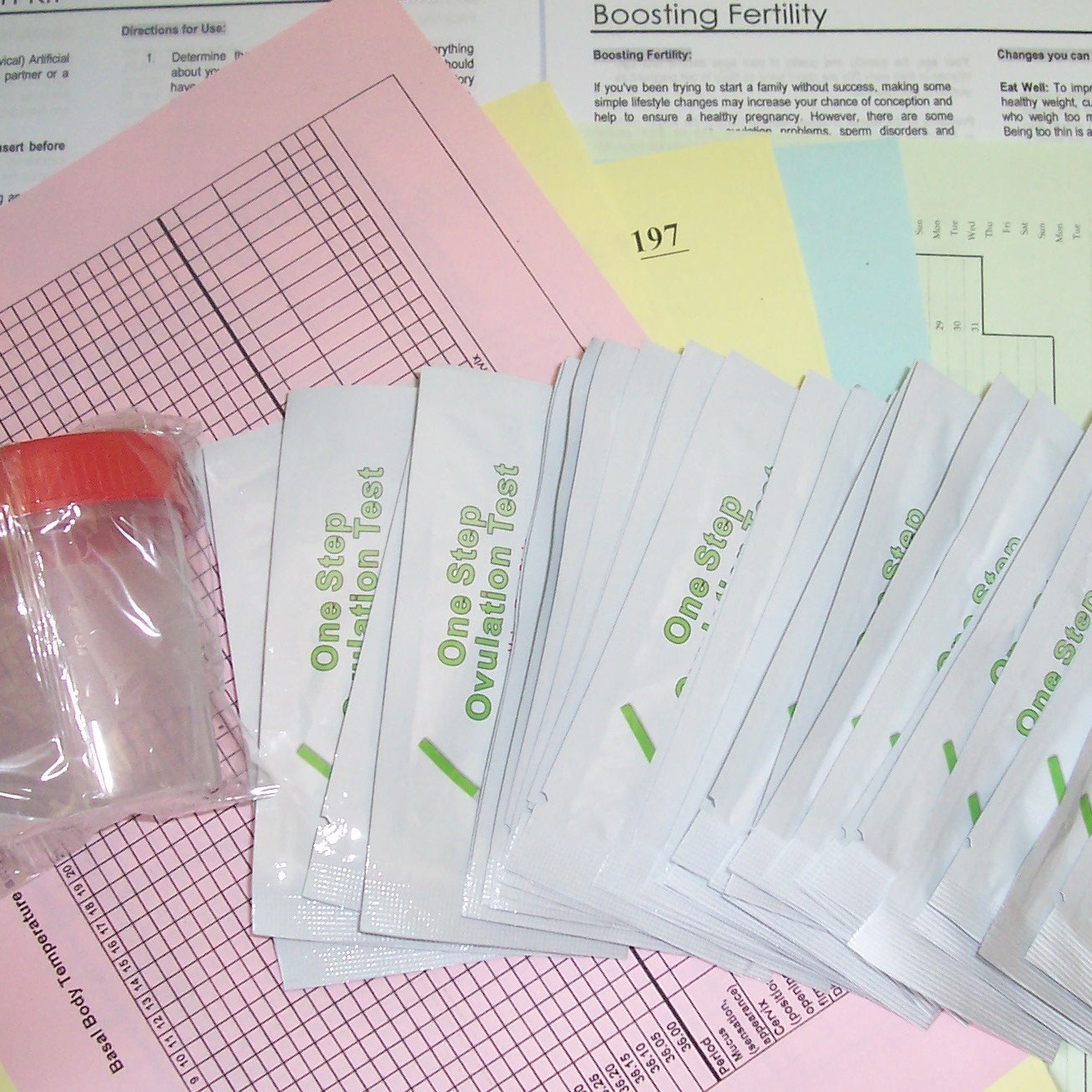
Ovulation can also be detected by a half-degree drop in body temperature, and a change in vaginal discharge. However, urine hormone tests are usually carried out to accurately calculate the most suitable time for insemination. This improves the chance of the treatment leading to conception. Ovulation test strips are available from this website.
Why it is necessary
Artificial insemination (AI) is a way of helping people to have children who may otherwise be unable to conceive. There are a number of factors that can affect fertility, and AI is better suited to certain problems rather than others. AI may be useful for couples facing the following fertility difficulties:
In women:
In men:
Results
Artificial insemination is successful in up to 30% of cases however not much research has been done using this method. Successful treatment often depends on what the cause of infertility was.
Conception is more likely to occur when the female partner's natural cycle is combined with hormone treatment to stimulate egg release, although this does carry the associated risk of multiple pregnancies.
The chance of getting pregnant by artificial insemination is increased if the female partner has healthy fallopian tubes and ovulates regularly. Chances of conceptions are also linked to age - female fertility decreases after the age of 30, until it is has almost gone by the age of 45.
For 90% of couples, if treatment is successful, it occurs within the first six cycles of treatment. If conception does not occur by this point, other forms of treatment may be recommended. This may include in-vitro fertilisation (IVF treatment) and gamete intra-Fallopian transfer (GIFT).
Who can use it
Intra-vaginal insemination can be used for couples who have a physical problem with sperm reaching the correct place.
Insemination with sperm from a donor may be used if the male partner has no sperm, very poor sperm, or risks passing on an inherited disease. Before you accept sperm from a donor he must be screened for hepatitis, and sexually transmitted infections (STIs) such as HIV.
You might want to try to match the characteristics of men who donate sperm with your partner and yourself such as eye colour and hair.
Finding a sperm donor is another matter. The cheapest method is to ask friends and acquaintances, if no success advertise on a free site such as http://health.groups.yahoo.com/group/FreeSpermDonors or http://www.rainbownetwork.com or a free local site in your area.
Using a sperm donor in your area is much more convenient than if you had to travel, as sperm can only survive a couple of hours outside the human body.
Another method is paying a site to find a sperm donor. There are a lot of choices of sites when you search the internet but that can be quite pricey. The benefits are that there are available sperm donors already waiting for your requests. The downside is that you don't know how many times he has already provided his services - unknown half siblings?.
Lastly, you can purchase frozen sperm from websites or clinics. You can also search the internet for these but again, this can be quite pricey. Sperm is also very fragile and you have to be careful when defrosting the straws and ensure it is inserted as soon as it hits body temperature. There are 3 types of Artificial Insemination techniques: 1. Vaginal - inserting 'unwashed' sperm directly into the vagina using a syringe or similar
2. (ICI) intracervical insemination - using a catheter or similar to place the 'washed' sperm directly into the cervix
3. (IUI) intrauterine insemination - using a catheter or similar to place the 'washed' sperm directly into the uterus
IUI or ICI should be done by a medical professional, since they introduce substances into the cervix and uterus which could lead to infection if not done in a sterile environment.
'Washed' sperm means the sperm is separated from the semen and is not required for home insemination.
'Unwashed' sperm should never be inserted directly into the cervix or uterus and therefore you should not attach any other instruments or devices such as a catheter to the syringe to insert the sperm at home.
Frozen Sperm
Fresh sperm is recommended either by your husband, partner or donor. If you have chosen to purchase frozen sperm using home insemination, defrost it using the 'fast-thaw' method in a bowl of hot water. The best method is to put the frozen sample or straw in a bowl of water which is 98º fahrenheit or 37º celsius for 30 seconds and then inseminate immediately.
It is not possible to freeze sperm in a conventional freezer. 5 Tips on Predicting Ovulation: Although there are several days of the month in which a woman is fertile, you are most fertile during the days around ovulation.
Stages of Cervical Fluid: Post Menses (after period)
Stage 1: Lasting 2 - 3 days CM (cervical mucus) is sticky
Stage 2: Lasting 2 - 4 days: CM is creamy or milky - Beginning of your fertile period
Stage 3: Lasting 1 - 5 days: Egg white Cervical Fluid - very fertile! Stage 4: Dry, moist or sticky ( Infertile)
Peak fertile cervical mucus is thin and stretchy. After ovulation, progesterone abruptly suppresses the peak mucus and the mucus pattern continues with sticky mucus for a day or two, and then returns to dryness.
Typically women in their mid twenties have egg white cervical mucus for approximately 5 days, by mid-thirties, only 1-2 days, but this is not the rule. Many women have several days of EWCM late into their thirties.
The Cervical Mucus will look and have the consistency of egg whites. It is slippery to the touch and if pulled between the fingertips will stretch 1 - 10 inches.
The colour can be clear or iridescent and extremely wet. If your CM has an unusual odour, consult your physician; this may be a sign of infection. If your CM has the consistency of cottage cheese, this may be a sign of a yeast infection, also consult your physician.
Increasing Cervical Mucus
Boosting Fertility: If you've been trying to start a family without success, making some simple lifestyle changes may increase your chance of conception and help to ensure a healthy pregnancy. However, there are some factors, such as age, ovulation problems, sperm disorders and damaged fallopian tubes, which you can't change.
Changes you can make Eat well: if you're a woman, a nutritious, balanced diet will help improve your general health and well-being, and ensure your body is able to nourish a baby. If you're a man, healthy eating is also important for sperm production. Choose a varied diet containing fresh fruit and vegetables, bread, potatoes, rice and other cereals (wholegrain, where possible), low-fat milk and dairy products, lean meat, fish and other sources of protein.
Watch your weight: being overweight or very underweight can disrupt your periods and hinder conception. A woman with a body mass index (BMI) of more than 29 or less than 19 may find it more difficult to conceive. To work out your BMI, divide your weight in kilograms by your height in metres squared (your height in metres multiplied by itself).
Drink wisely: the government advises women trying to conceive to avoid alcohol completely. Men shouldn't drink more than three or four units a day, and should avoid binge drinking to prevent damage to sperm.
Stop smoking: smoking has been linked to infertility and early menopause in women, and sperm problems in men. It also reduces the success of fertility treatments.
Be active: regular moderate exercise (such as brisk walking) for at least 30 minutes a day will help to keep you fit for conception and help to control your weight.
Keep cool: for optimum sperm production, the testicles need to be a couple of degrees cooler than the rest of the body. Avoid tight underwear and jeans, and excessively hot baths and saunas.
Think about your job: occupations that involve sitting for long periods, such as long-distance lorry driving, or exposure to environmental chemicals such as paints or pesticides, may affect sperm quality. If this is an issue, discuss it with your work supervisor.
Manage stress: stress doesn't cause infertility, but excessive anxiety can sometimes upset the menstrual cycle. Try to reduce stress levels and give yourself time to relax.
Take folic acid: all women trying for a baby should take a supplement of 400mcg of folic acid a day to help prevent birth defects such as spina bifida.
Check drugs: certain prescription drugs can reduce the chance of conception. If you're taking regular medication, talk to your doctor.
Marijuana and cocaine can affect sperm counts.
Things you can't change Not all factors affecting fertility are within your control.
Women
For women, the following ovulation problems may affect conception:
Men
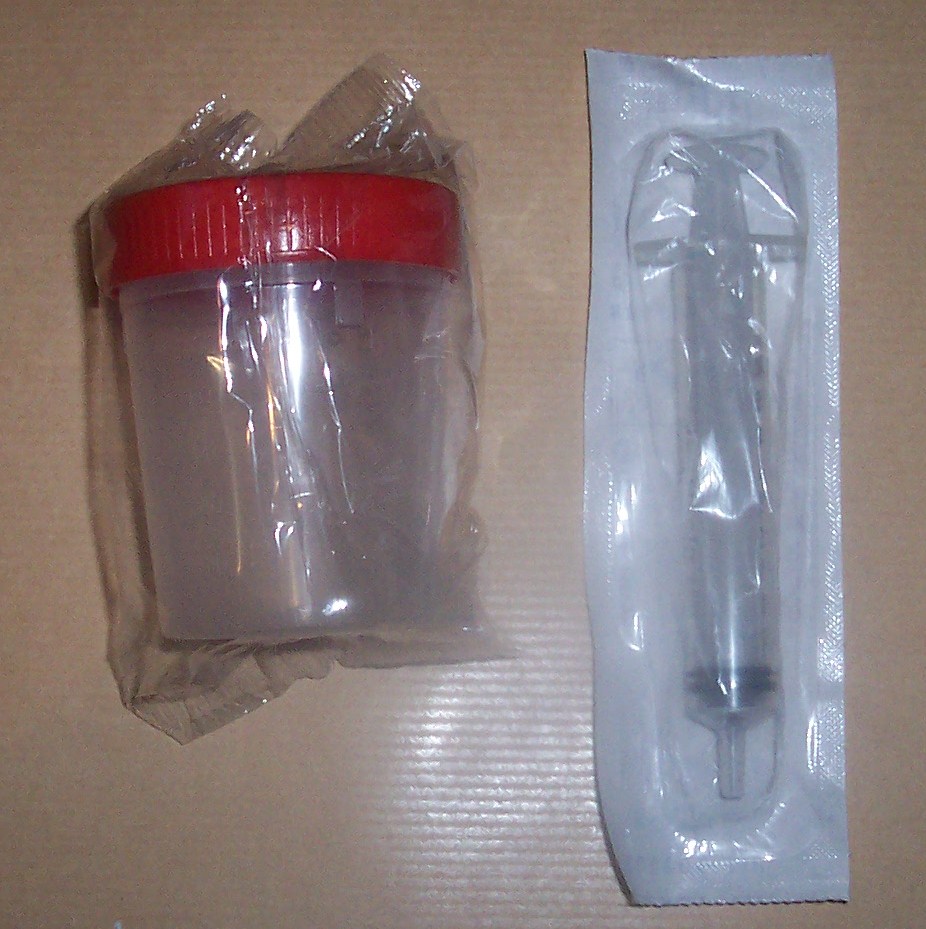
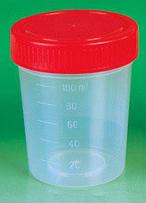
If you have concerns on your partner's fertility, it is best to get tested before spending months trying. Affordable tests can be purchased from this website, or done by your local GP. Instructions for Artificial Self Insemination: Give the ‘sperm donor’ or your ‘male partner’ a sterile container and ask him to ejaculate into the container by means of masturbation and put the lid on the container before transporting it to yourself.
In preparation for being inseminated, you should get into a comfortable position in bed with your hips raised with a cushion – to assist with the downward direction of the sperm, and relaxed enough to remain in that position for the next 30 minutes.
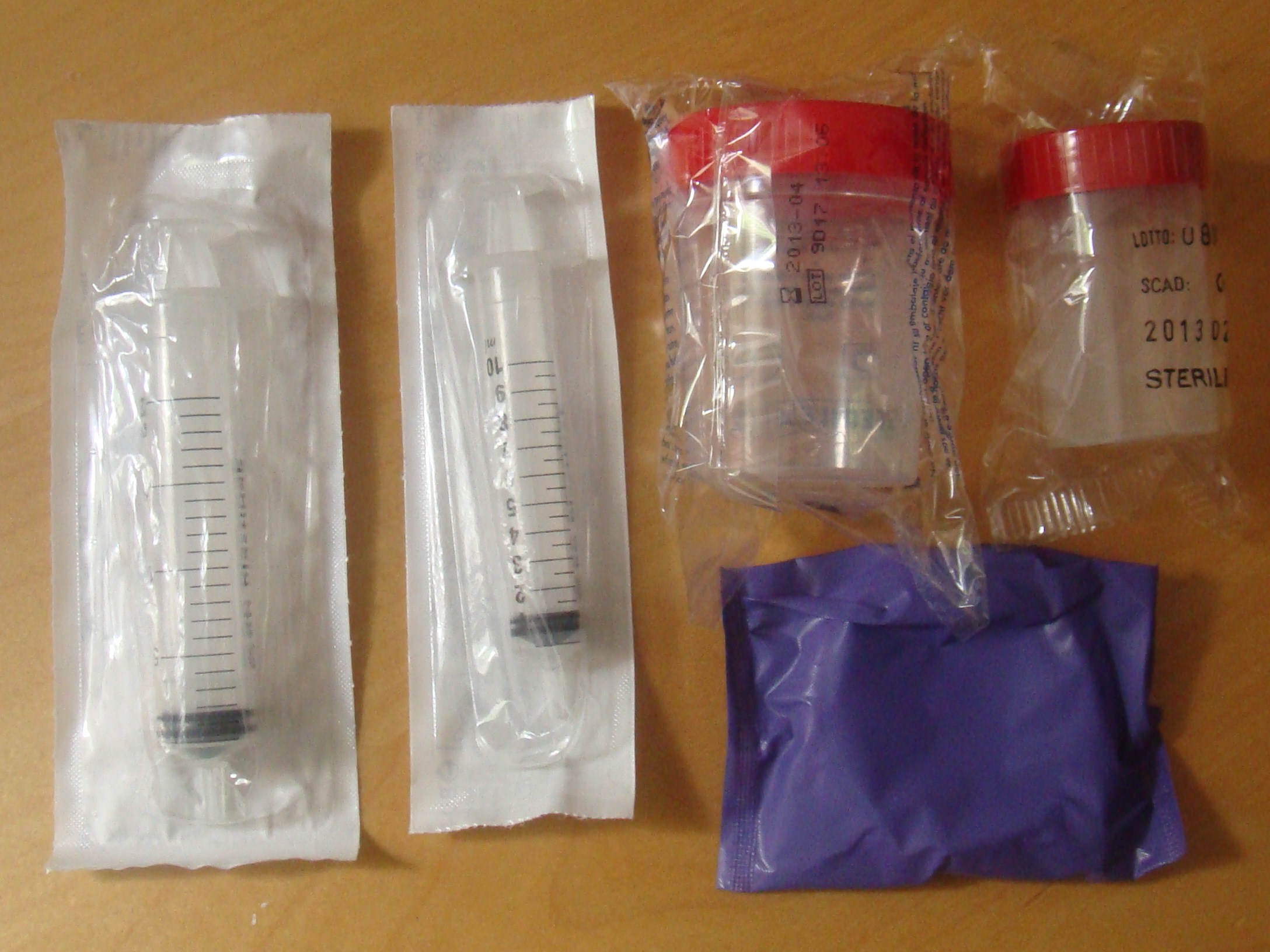
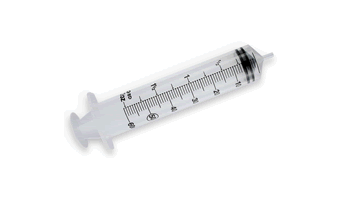
Take a syringe (do not use a needle) or similar device and draw back with the suction once with nothing but air to create a vacuum, then push out, the next time put the point of the syringe into the sperm inside the container (tilted for easier suction) and slowly draw it back with all of the semen.
Insert the syringe as far into the vagina as possible, relax and inject slowly. Leave for a few seconds then remove syringe slowly and try not to move for the next 30 minutes while the sperm gets to work in trying to locate the egg.
If possible, try stimulating the clitoris before hand and try having an orgasm after the insemination helps even more as the vibrations dip the cervix into the pool of semen.  Final Note At Insemination Help we are well aware of the difficulties experience by single women, couples and lesbians wanting to conceive. Our goal is to make this experience stress free with all the necessary equipment, advice and resources needed to make this experience an enjoyable and magical one. We offer a variety of insemination kits to suit each persons needs and we will provide you with everything you need to conceive in the comfort of your own home once you find a sperm donor. As someone wanting to artificially inseminate, I found that the market did not cater for me and the equipment and advice needed was not at hand. Through this website and the products and advice available I aim to make this an easy process for all women wanting to inseminate themselves. Order your pack today and get started on creating that family you have always dreamed of. In this website, we invite you to become acquainted with our full range of facilities; we also offer information or insemination using a sperm donor which is included in our packs. Don't waste time, order today and make that twinkle in your eye a reality! |
|
|||||||||||||||||||||||||||||||||||||||||||||